

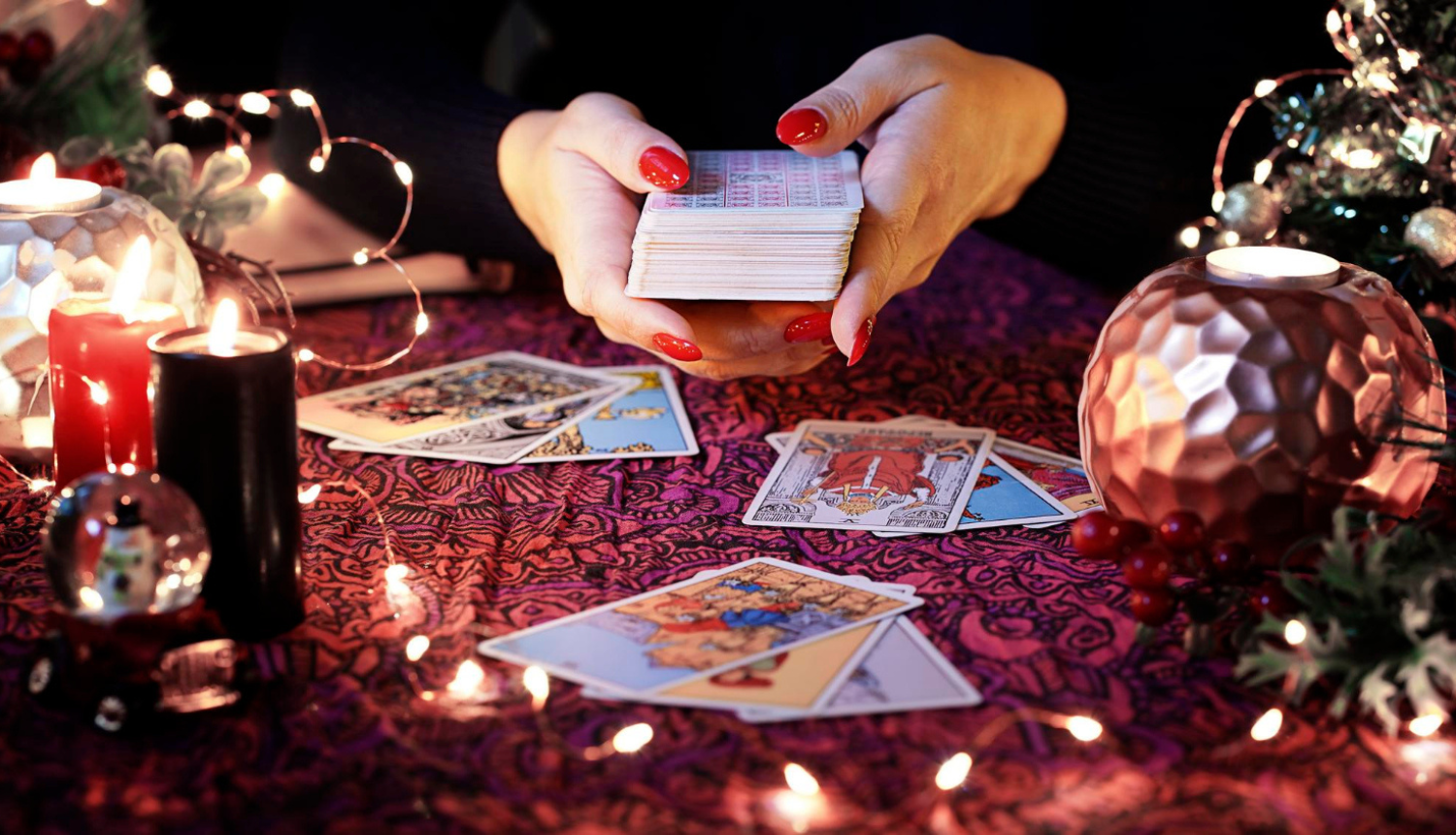
Tarot is often mistaken for a tool that delivers fixed answers about the future, yet its real value lies in guidance rather than absolute prediction. While prediction suggests a single, unavoidable outcome, tarot reflects possibilities shaped by present circumstances, emotional patterns, and personal choices. It speaks to the process of becoming, not a predetermined end point.
When used as guidance, tarot acts like a mirror for the inner world. The symbols and archetypes in the cards highlight motivations, fears, and hidden influences that may not be consciously acknowledged. This awareness allows a person to respond more intentionally to life situations instead of reacting on autopilot. In this way, tarot supports personal growth and emotional clarity.

Prediction, on the other hand, can create dependence or passivity, implying that events will unfold regardless of one’s actions. Tarot readings avoid this rigidity by emphasizing free will. A card showing challenge does not promise failure – it points to an area that needs attention, boundaries, or a shift in perspective. Likewise, positive cards suggest potential, not guarantees.
What truly sets tarot apart is its dialogue-based nature. A reading is a conversation between the reader, the seeker, and the symbols themselves. As circumstances evolve, so do the messages. Tarot therefore becomes a living tool for insight, helping individuals navigate uncertainty with greater trust in their own intuition.
In essence, tarot does not predict a fixed future – it illuminates the present. By understanding where you stand now, you gain the power to shape what comes next with awareness, responsibility, and choice.
Related: Cancer and Their Deep Connection to Family and Home