

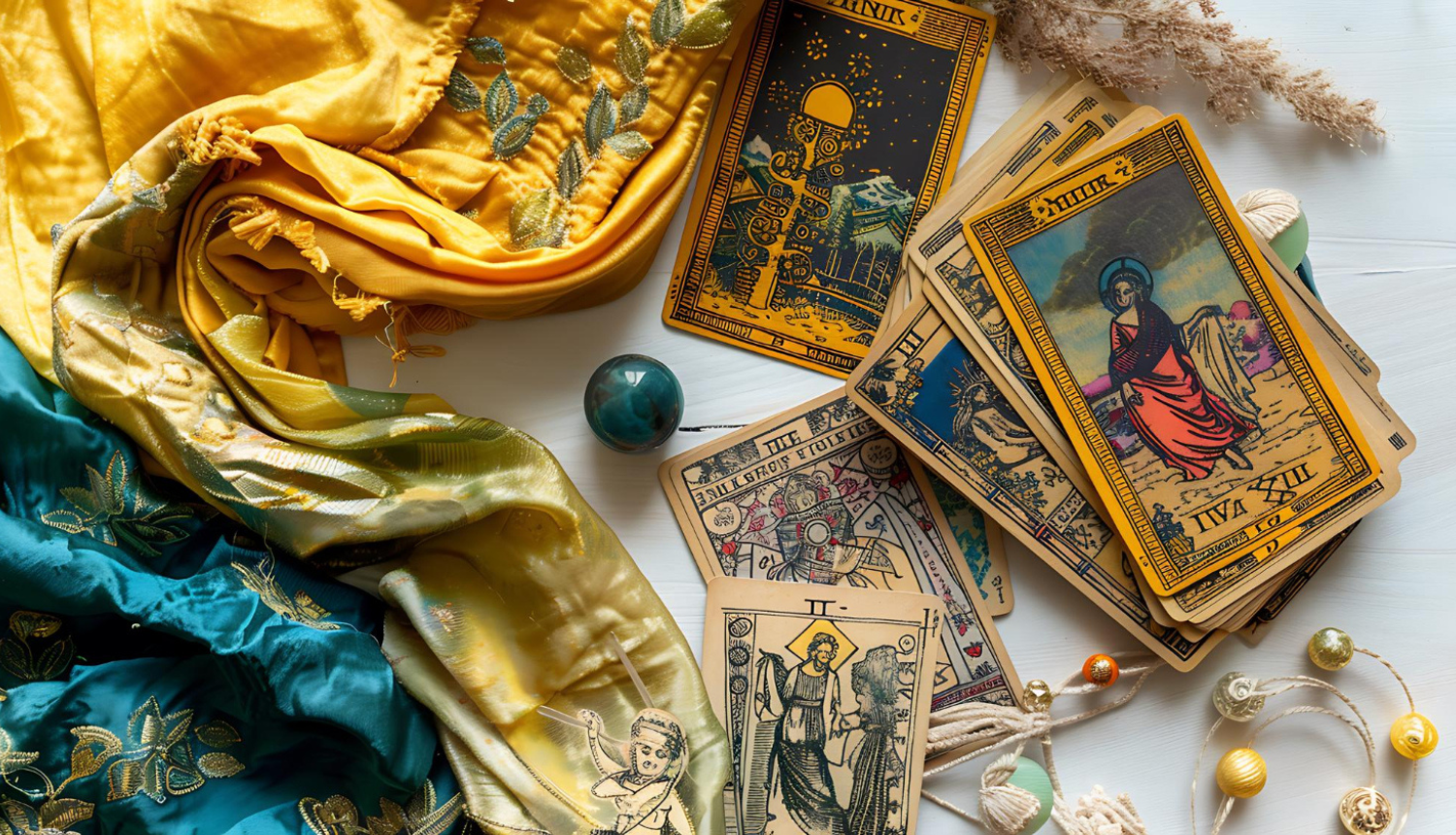
Tarot may feel like a modern spiritual tool, but its origins are rooted in the glittering courts of Renaissance Europe, where nobles and royals treated the cards not only as a game, but as a doorway into symbolism, intuition, and subtle guidance. Long before tarot became a tool for personal readings, it was an elite pastime – one that blended art, philosophy, and quiet curiosity about fate.
In 15th-century Italy, tarot decks were lavishly painted by renowned artists and gifted to noble families. These early cards weren’t just entertainment; they reflected the worldview of the aristocracy. Each image – The Empress, The Chariot, The Star – held layers of allegory that mirrored the social values and spiritual questions of the time. Royals used the cards to spark conversations about virtue, destiny, and the nature of power.
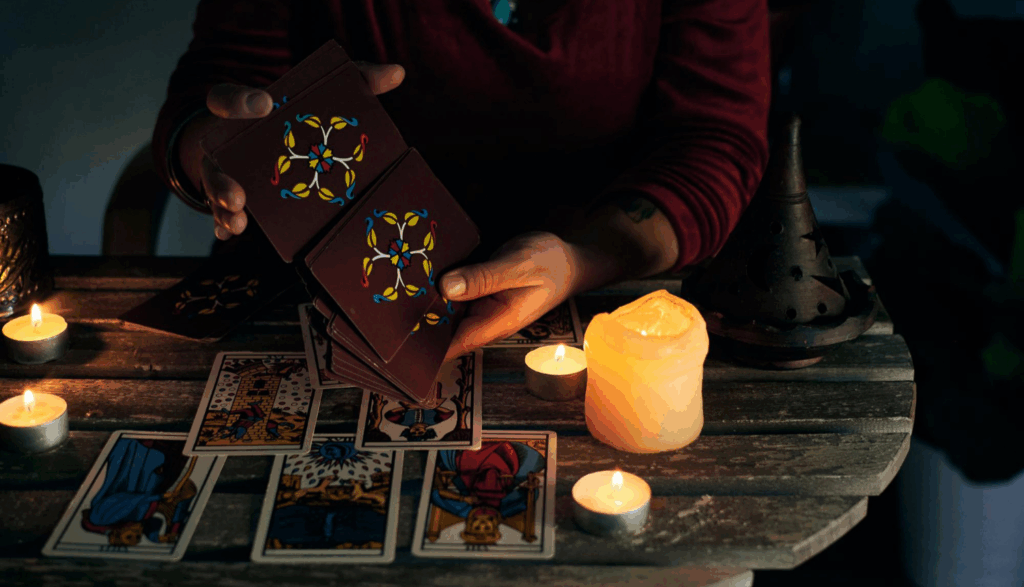
As tarot moved northward into France and other royal courts, its purpose expanded. The cards became tools for social bonding, private reflection, and sometimes even discreet counsel. Queens and duchesses often favored divinatory practices, seeing them as a way to gain insight into emotional or political uncertainties. Tarot readings helped them navigate court intrigues, alliances, and personal dilemmas with a touch of mystique.
By the 18th century, tarot had fully stepped into the world of esotericism. Royal advisors, occult scholars, and curious monarchs explored the cards for guidance, treating them as a bridge between reason and intuition. Though divination was never an official act of governance, tarot flourished quietly in salons and private chambers, shaping decisions in subtle, symbolic ways.
Today, when we pull a card, we’re touching the same blend of intuition and symbolism that once fascinated Europe’s most powerful families. Tarot’s royal history reminds us that even those who seemed to control everything still sought wisdom beyond the visible – proof that curiosity about destiny is a timeless, universal human impulse.
Related: Star Sign Secrets: Lesser-Known Facts About Each Zodia