

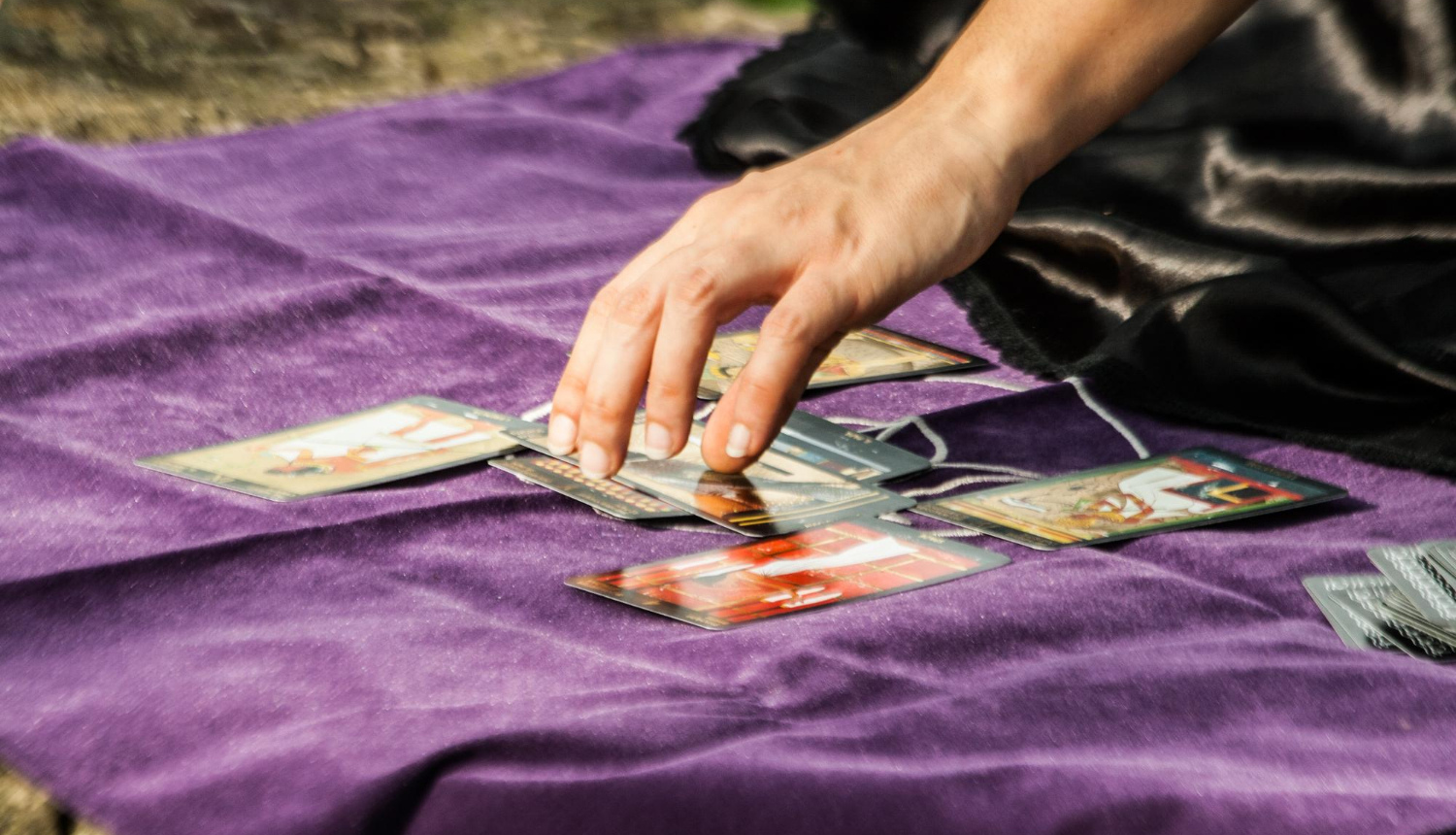
Tarot and neuroscience may seem like distant worlds, yet they meet in a fascinating space where symbolism, intuition, and brain chemistry intertwine. Far from being just mystical tools, tarot cards can act as catalysts for mental processes that shape our emotions, perceptions, and decisions.
At the core of this connection is how the brain processes symbols. Humans are wired to find meaning in visual cues, a function deeply rooted in the brain’s associative networks. When you look at a tarot card – say, The Star or The Fool – your brain automatically begins linking those images to memories, emotions, and personal stories. This process activates the temporal lobes and limbic system, the regions involved in emotional understanding and memory retrieval. In essence, tarot provides imagery that the brain uses to organize inner experiences into a coherent narrative.
Another key player is the default mode network (DMN) – the brain system that turns on when you shift into introspection. Tarot naturally encourages this state. The quiet focus, the symbolic language, and the invitation to explore meaning all help slow down external noise and heighten inner awareness. This is why tarot readings often feel grounding, therapeutic, or clarifying: the brain is literally entering a reflective mode where insight becomes more accessible.
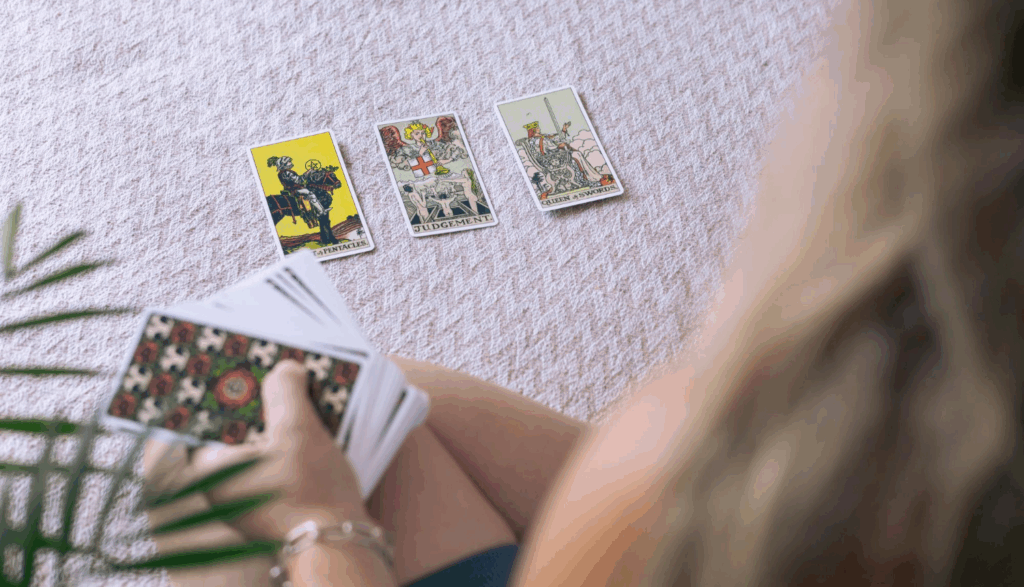
Tarot also engages the brain’s prediction and pattern-seeking systems. Our minds constantly search for patterns, trying to make sense of uncertainty. During a reading, the brain interprets card layouts as opportunities to explore possibilities, negotiate fears, and reframe challenges. This can reduce cognitive load and create a sense of psychological relief, because the brain feels it has “mapped” a problem more clearly.
Additionally, tarot can stimulate the dopamine reward pathway. When a card resonates, validates an intuition, or offers an “aha” moment, the brain experiences a tiny burst of feel-good chemistry. This reinforces a sense of clarity and encourages continued self-exploration.
Related: Blood Moon August 2026: The Stunning Aug 27–28 Lunar Eclipse and What It Means for Your Sign
On a deeper level, tarot supports emotional regulation. Discussing a situation through symbolic language creates distance – allowing the brain’s prefrontal cortex (responsible for reasoning) to engage without being overwhelmed by raw emotion. This is similar to techniques used in therapy, where re-framing a problem helps calm the nervous system.
In the end, tarot isn’t just magic – it’s mindfulness wrapped in symbolism. By activating neural pathways related to introspection, storytelling, pattern recognition, and emotional balance, tarot readings offer the brain a safe and imaginative framework to understand itself. Whether you see tarot as spiritual guidance or psychological insight, its influence on the mind is both gentle and powerfully transformative.